3rd November 2024
Best Locations To Buy Property In Maldives Top Spots For Investment In 2025
Share


Share
Introduction:
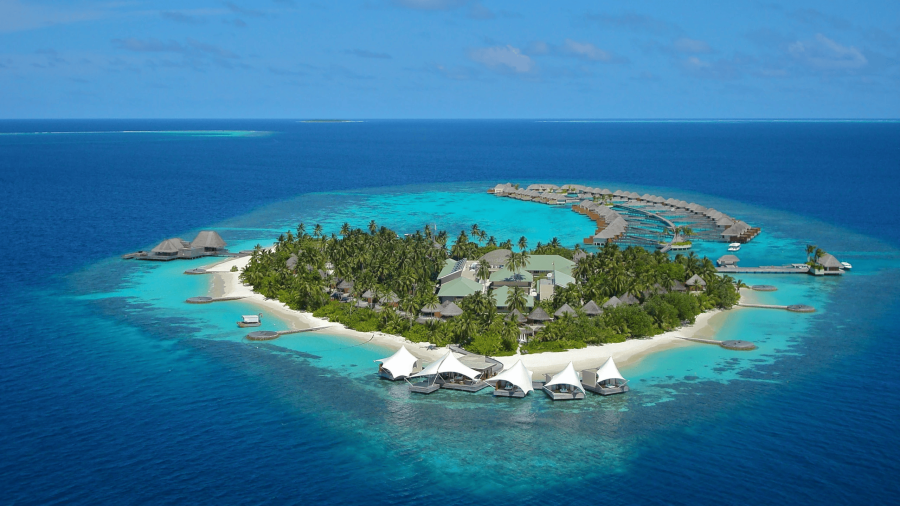
The Maldives, a globally recognized gem of the Indian Ocean, is celebrated not only for its mesmerizing crystal-clear waters and pristine white-sand beaches but also for its dynamically expanding real estate market. As 2025 unfolds, this idyllic archipelago continues to attract a growing influx of international investors, consequently driving up the demand for prime properties across its diverse islands. Whether your investment strategy leans towards securing a lavish private villa, developing an environmentally conscious eco-resort, or capitalizing on high rental yields from a strategically located property, understanding the most promising locations is paramount. This comprehensive guide delves into the top property investment destinations in the Maldives for 2025, meticulously analyzing critical factors such as current market trends, lucrative property types, and robust future growth potential. Are you ready to uncover the unparalleled opportunities awaiting your next investment in this tropical paradise? Let's dive in!
Why Invest in Property in the Maldives?
The Maldives has solidified its position as a dream destination, not just for luxury vacationers but also for astute real estate investors. Here’s a detailed look at the compelling reasons:
- Robust Tourism Market & High Occupancy Rates: Tourism remains the economic backbone of the Maldives, contributing significantly to its GDP (around 21-25%). In 2024, the Maldives welcomed an all-time high of 2.05 million visitors, with projections for 2025 estimating a continued increase to over 2 million. This sustained influx, particularly from key markets like China, Russia, and the UK, directly fuels the demand for high-end accommodations and exclusive experiences, creating abundant opportunities for property buyers, from private villas to luxury resorts. Occupancy rates in luxury resorts are consistently high, driving profitability.
- Exceptional Rental Yields: Properties in the Maldives, particularly high-end villas and resort units, have a proven track record of generating attractive returns on investment. Luxury resort investments, for instance, can yield 8-15% annual returns, driven by premium pricing and high occupancy. With the tourism sector booming and projected to grow by 5.7% in 2025 (World Bank forecast), rental yields are expected to remain robust, making property acquisition a solid choice for investors seeking significant passive income.
- Limited Supply, High Demand: Comprising over 1,000 islands, the Maldives faces an inherent scarcity of developable land, especially in highly sought-after areas. This geographical limitation, coupled with ever-increasing global demand for exclusive island retreats and luxury living, naturally leads to appreciating property values and strong long-term investment potential. The limited supply also supports high rental rates.
- Favorable Foreign Ownership & Investment Climate: The Maldivian government actively encourages foreign direct investment (FDI) through various policies. While outright freehold ownership for foreign nationals is generally restricted (land is state-owned), foreign investors can acquire property through long-term leasehold agreements, typically for up to 99 years, particularly within designated integrated resort developments and special economic zones (SEZs). The government has also offered incentives such as tax breaks and streamlined regulatory support for projects that contribute to the local economy and align with sustainable development goals.
- Economic Stability and Growth: Despite its dependence on tourism, the Maldivian economy has demonstrated remarkable resilience, with an estimated GDP growth rate of 5.5% in 2024 and a projected 5.7% in 2025, primarily driven by the robust performance of tourism and related services. This economic stability provides a reassuring backdrop for real estate investments.
Delving Deeper: Top Islands for Real Estate Investment in the Maldives (2025)
When identifying prime locations for property investment, certain islands consistently emerge as frontrunners:
- Malé Island: As the bustling capital and the most developed urban center in the Maldives, Malé offers a diverse array of commercial and residential real estate opportunities. The dense population and ongoing urbanization drive consistent demand for both types of properties, making it a stable and promising location for investment. Luxury apartments in Malé are in high demand, with average prices around 171,282 MVR/m² (approximately 11,100 USD/m²).
- Noonu Atoll: Located in the northern part of the archipelago, Noonu Atoll has cemented its reputation as a luxury paradise, home to some of the Maldives' most exclusive resorts and beachfront villas. Property prices in this area, ranging from 3 million to 9 million USD, reflect the exclusivity and prestige. It's a prime destination for high-net-worth individuals seeking ultra-luxury investments with strong appreciation potential.
- Dhigurah Island: A burgeoning destination gaining popularity for its authentic Maldivian charm and attractive price points. Dhigurah offers more affordable property options compared to the highly developed resort islands, presenting significant growth potential. Its strategic proximity to popular islands and key transport hubs makes it an increasingly desirable location for both residential and tourist-centric investments.
- Villingili Island: Renowned for its exclusivity and opulent offerings, Villingili stands out as one of the most luxurious islands in the Maldives. Featuring stunning private villas and high-end resort-style properties, it remains a hotspot for discerning high-net-worth buyers prioritizing privacy, unparalleled luxury, and premium services.
- Fuvahmulah Island: An emerging eco-tourism hotspot, Fuvahmulah offers unique land development opportunities for eco-friendly resorts and sustainable residential properties. It’s an ideal location for investors keen on tapping into the growing sustainable tourism market and contributing to environmentally conscious development. The island's unique ecosystem and potential for niche tourism activities add to its appeal.
- Maafushi Island: A popular choice for investors seeking affordable property options with substantial rental income potential, particularly from the booming guesthouse sector. Maafushi's accessibility, vibrant local tourism scene, and proximity to popular attractions make it an excellent location for vacation homes and properties aimed at budget-conscious travelers. The increase in guesthouse capacity across the Maldives, with 14,188 operational beds in March 2025, further validates this trend.
Best Luxury Resort Locations for Property Investment (2025)
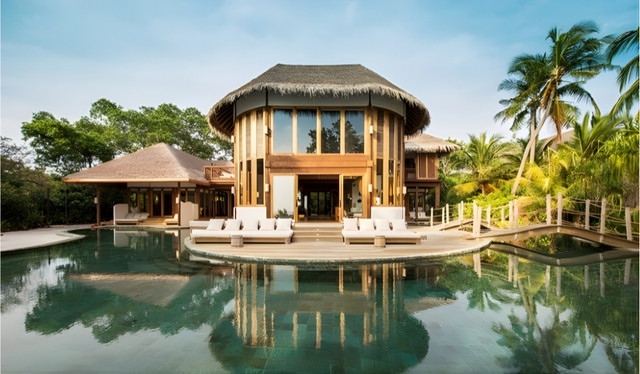
For those targeting the pinnacle of luxury real estate, the Maldives presents several premier locations for high-end investments:
- Private Islands for Sale: The ultimate in exclusivity, the Maldives offers a select number of private islands for sale. Investing in a private island provides not only unparalleled luxury and privacy but also the immense potential to develop bespoke luxury resorts or ultra-exclusive personal retreats, offering the highest level of customization and potential for significant capital appreciation.
- Thilamaafushi Island: This island is rapidly gaining prominence for its ultra-luxury resorts and high-value properties. The demand for exquisite properties here is consistently rising, positioning it as an excellent choice for high-end investment with a focus on top-tier hospitality and lifestyle.
- Soneva Jani Area: Synonymous with unparalleled luxury and innovation, the Soneva Jani area is one of the Maldives’ most prestigious destinations for elite investors. It offers incredible opportunities to acquire exclusive luxury villas in one of the world’s most breathtaking and environmentally conscious settings, known for its iconic overwater residences and exceptional service.
- Baa Atoll: As a UNESCO Biosphere Reserve, Baa Atoll is a prime location for eco-luxury developments. Its pristine marine environment, thriving coral reefs, and growing eco-tourism sector make it perfectly suited for high-end resort investments that prioritize sustainability and responsible tourism.
- Addu Atoll: The Maldives’ southernmost atoll, Addu Atoll, is increasingly popular for upscale development projects. It offers a unique blend of exclusivity and enhanced accessibility due to its own international airport (Gan International Airport). This region is ideal for investors seeking luxury developments with greater connectivity.
Sustainable and Eco-Friendly Property Investments in the Maldives (2025)
With the escalating global demand for eco-conscious developments, the Maldives has become a focal point for sustainable property investments:
- Growing Market for Eco-Resorts and Green Developments: Eco-tourism is experiencing a significant boom in the Maldives, with investors actively seeking to develop green resorts that minimize their environmental footprint. These cutting-edge developments emphasize renewable energy sources (e.g., solar power), sustainable building materials, advanced waste management systems, and water conservation practices.
- Supportive Government Regulations and Incentives: The Maldivian government is a proactive proponent of sustainable building practices. Several incentives are in place to encourage green developments, including potential tax breaks, streamlined approvals for eco-friendly construction methods, and regulations that favor environmentally responsible tourism projects. This commitment aligns with the nation's vulnerability to climate change.
- Leading Examples and Market Alignment: Numerous notable eco-resorts and green developments are setting benchmarks, showcasing success in integrating natural environments into their design while maintaining luxury. These projects not only adhere to local regulations but also resonate strongly with global trends in responsible tourism, attracting a growing segment of eco-conscious travelers who are willing to pay a premium for sustainable experiences.
- Long-Term Growth Potential: Investors who strategically tap into the eco-tourism market will not only meet the rising demand from environmentally aware travelers but also position themselves for significant long-term growth as sustainability becomes an increasingly vital value proposition in the global tourism and real estate sectors.
Can Foreigners Buy Property in Maldives? Navigating the Legal Framework (2025)
Understanding the dynamic legal framework surrounding property ownership is critical for foreign investors in 2025:
- Foreign Ownership Rules (Updated for 2025): As of 2025, foreign ownership of property in the Maldives is permitted under specific terms. Foreign nationals generally cannot directly own land in freehold as all land is state-owned. Instead, acquisition is primarily through long-term leasehold agreements, typically for up to 99 years. These leaseholds are predominantly available within designated integrated resort developments (IRDs) and specially established Special Economic Zones (SEZs). The government has introduced more stringent approval processes for certain large-scale projects, and there have been discussions about possible adjustments to long-term lease agreements to ensure sustainable development and local benefit. Foreigners must typically invest a minimum amount, which varies depending on the property type, often starting around USD 1 million for hotel/resort projects and potentially much higher for large-scale developments in specific sectors (e.g., USD 100 million for export-oriented manufacturing, ICT parks, or renewable energy; USD 500 million for sustainable township development).
- Leasehold vs. Freehold Nuances: While the dominant model for foreign ownership is leasehold, exceptions for freehold ownership can exist for projects that are part of the integrated resort schemes, often within the framework of government-approved development plans. It is crucial to distinguish between these ownership types and understand the specific terms of each agreement.
- Government Incentives: The Maldivian government continues to offer various incentives to foreign investors, including favorable tax rates (such as a 0% corporate income tax on earnings below MVR 500,000, and 15% above that) and regulatory support for development projects that significantly contribute to the local economy, create employment, and adhere to environmental standards. Specific tax holidays and exemptions may be available within SEZs.
- Navigating the Legal Process: The legal process of acquiring property in the Maldives necessitates a thorough understanding of local laws, engaging with qualified local real estate experts and legal counsel specializing in Maldivian property law, and ensuring full compliance with all regulatory requirements to facilitate a smooth and secure transaction. Due diligence is paramount. Foreign investors should also be aware of a 10% withholding tax on certain payments made to non-residents, including rent from immovable property.
The Future of Property Investment in the Maldives (2025 and Beyond)
The Maldives’ real estate market is poised for continued growth, propelled by sustained tourism expansion, robust sustainability initiatives, and significant infrastructure development:
- Market Predictions for 2025 and Beyond: The Maldivian property market is forecasted to remain strong, driven by a rebound in global tourism and increased investor confidence. The emphasis on sustainable tourism initiatives means that demand for eco-resorts and green properties will continue to escalate. While new government regulations might impose stricter controls on overdevelopment in certain sensitive atolls, this reinforces the focus on high-quality, sustainable projects. New government-backed tourism expansion plans in lesser-developed atolls, such as Thaa and Laamu, are actively opening up fresh investment opportunities, diversifying the market beyond established hotspots.
- Emerging Investment Areas and Diversification: Beyond the traditional luxury hubs, areas like Fuvahmulah and Maafushi are projected to witness substantial future growth, with more planned developments. Investors should keenly eye these emerging locations for opportunities that promise long-term appreciation as infrastructure improves and tourist awareness grows. The market is also diversifying beyond traditional resorts to include mixed-use developments, commercial properties, and specialized residential real estate.
- Impact of Transformative Infrastructure Projects: The Maldivian government is heavily investing in crucial infrastructure, which will significantly enhance property values and accessibility.
- The new terminal at Velana International Airport (VIA) is expected to be fully operational by mid-2025, significantly increasing passenger capacity to over seven million annually from the current 1.5 million. This expansion will dramatically improve international connectivity, driving up property values in surrounding areas like Hulhumalé.
- New airports in Lhaviyani and Gaafu Alifu Atolls are also expected to be operational by late 2025, further opening up these regions for tourism and real estate development.
- Ongoing development of inter-island bridges and improved ferry services are enhancing connectivity to remote atolls, making previously inaccessible areas more attractive for investment.
- Global Trends and Maldivian Real Estate: Global trends, such as the rise of remote working and the increasing demand for unique vacation homes and second residences, are expected to significantly influence the Maldivian property market. As more individuals seek exclusive and serene environments for extended stays or permanent relocation, the demand for luxury residences and high-yield rental properties is likely to surge, particularly in areas offering privacy and high-quality amenities.
FAQs:
- What are the absolute best islands for property investment in the Maldives in 2025? Some of the top islands and atolls for investment in 2025 include Malé (urban/commercial), Noonu Atoll (ultra-luxury), Dhigurah (affordable, growth potential), Villingili (exclusive luxury), Fuvahmulah (eco-tourism), and Maafushi (tourist-centric, rental income). Each offers unique opportunities depending on your investment goals and budget.
- Can foreigners legally buy property in the Maldives in 2025? Yes, foreigners can acquire property in the Maldives in 2025, primarily through long-term leasehold agreements (typically up to 99 years) within designated integrated resort developments and Special Economic Zones. Direct freehold ownership of land is generally not available for foreign nationals.
- What kind of return on investment (ROI) can I expect in the Maldives property market? The ROI in the Maldives property market can be significantly high, especially for luxury villas and resort properties. Luxury resort investments have shown potential for 8-15% annual returns, driven by the country's booming tourism industry, high occupancy rates, and limited land availability.
- Are there government incentives for foreign property investors in the Maldives? Yes, the Maldivian government actively encourages foreign investment. Incentives may include favorable tax rates, particularly within Special Economic Zones, and regulatory support for large-scale development projects that contribute to the local economy and align with sustainable development goals.
- What are the key future trends shaping the Maldives real estate market in 2025 and beyond? The market is expected to grow with increasing demand for luxury properties, eco-resorts, and vacation homes. Key trends include significant infrastructure development (e.g., new airport terminals), diversification into new atolls, and a strong emphasis on sustainable and environmentally friendly developments to meet evolving global travel demands.
Conclusion:
The Maldives unequivocally remains one of the most compelling and attractive destinations for real estate investment in 2025. It offers a diverse spectrum of opportunities, ranging from ultra-luxury resorts and private islands to pioneering eco-friendly developments and properties capable of generating substantial rental yields. By meticulously understanding the optimal locations, staying abreast of the evolving legal considerations for foreign ownership, and recognizing the emerging market trends driven by tourism, sustainability, and infrastructure, investors are well-positioned to make highly informed decisions that promise significant returns. Ready to secure your piece of paradise and embark on a rewarding investment journey in the Maldives? Contact Destinations by Leading RE today and start exploring the possibilities!